
Stunning Nature and Sustainability Studies from Marafa Hell’s Kitchen
Marafa Hell’s Kitchen might not be a very inviting name, but don’t let the name fool you. This erosion-induced site in Kenya brings to the table a recipe of perfectly infused elements of breathtaking nature’s beauty, a side of local cultural interactions, topped with compelling lessons on sustainability and environmental management.
A Peek at the Attractions and Lessons From Marafa Hell’s Kitchen
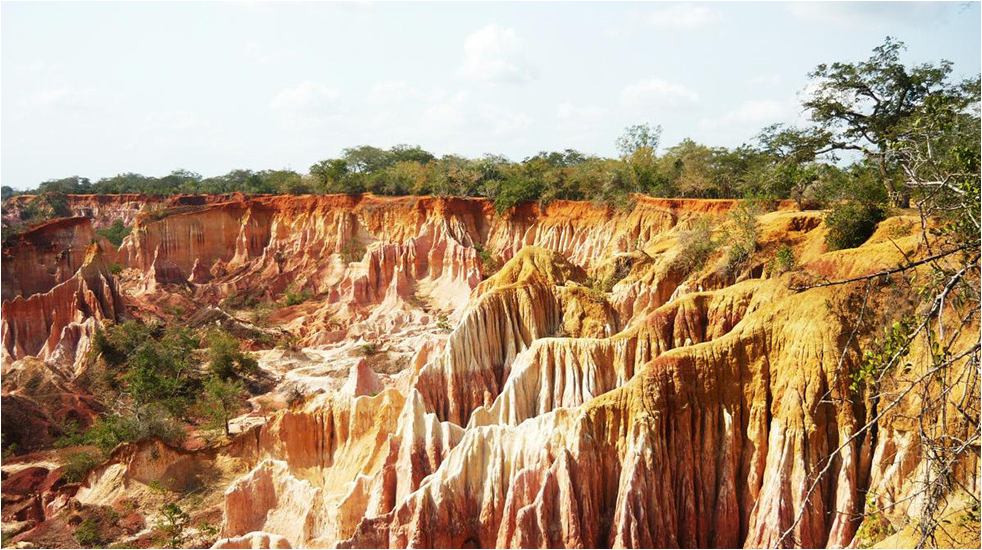
Marafa Hell’s Kitchen is a breathtaking geological formation of multi-layered cake-like canyons exposing a stunning blend of rich colours lining the exposed rocks, which change colours at sunset. The site offers a terrific attraction and educational tour experience for an environmental studies, sustainability and climate issues enthusiast. Here’s an in-depth look.
1. GEC (Global Environmental Change) in the Context of Emerging African Economies
Due to erosion, storms, wind, flooding and other weather and climate issues, the original large sandstone was torn apart into the series of ravines it is now. The dramatic colour composition emanates from the rock’s calcium, iron & sulphur compounds. A walk through the site gives you insight into lessons such as the following:
- Learn the area’s geography, the science behind its formation, the rock composition and its relationship to the colours, and how or if one can capitalize on these factors to help preserve the site and other similar natural sites.
- Study the weather and climate disasters that led to the formation of the depressions and the subsequent changes over the years.
- Learn how the area has responded to climate change since its formation, what the prognosis is and any reactive and proactive measures.
- Explore existing special measures in place to conserve the ravines and prevent further erosion or disappearance.
Such lessons can help you understand climate challenges and adaptation options in the global south, opening your world up to possibilities for improvement or sharing cross-continent solutions. Touring Marafa Hell’s Kitchen will also put you in alignment with worldwide objectives like the need for African outlooks for effective insights on global environmental change..
2. Enjoy Wildlife While Studying Climate Change Mitigation and Adaptation Options in the Global South
A tour of the area also offers a chance to see wildlife, unique vegetation, and exposed tree roots. To complete the tour, there are stories of the mythical legends that the locals use to explain this geographical phenomenon. If time allows, a nature walk on land into the nearby Arabuko Sokoke forest offers more diversity worth exploring. Among the phenomena you can study to help you understand environmental changes and make a change include the following:
- Witness firsthand animal-nature interaction and adaptation by exploring the ecosystem.
- Learn about unique vegetation and endangered species and their preservation tactics.
- Study nature conservation.
- Explore the climate change challenges facing the area’s ecosystem and adaptations in place.
3. Study Firsthand Local Culture and Sustainable Development in Emerging African Economies
Besides interacting with nature and wildlife, Hell’s Kitchen also allows you to meet the local community. First, the guide originates from the area, giving you up-close-and-personal accounts of the site’s history and conservation measures, or lack thereof. You’ll also meet residents who are touring the area or going about their daily economic activities within or around it. To complete the tour, you’re treated to a local story: tales of a mythical legend that explains the traditional Giriama (one of the nine clans of Kenya’s Mijikenda tribe) version of what they believe to be the canyon’s origin and reasons for formation. The tour offers adventures and lessons such as:
- A look into environmental protection vs economic development.
- Human-wildlife (nature) conflicts and measures to promote harmony.
- Study socio-cultural barriers & sustainable growth.
- Enjoy a firsthand interaction with local cultures and beliefs.
- Study whether culture supports or hinders sustainability and climate action and what can be done to merge the two for a sustainable future.
The Global South for Adventure and a Sustainable Future
In conclusion, Marafa Hell’s Kitchen is a one-of-a-kind must-see tourist attraction. It also offers much more into the broad scope of sustainability and global environmental change. A walk through the site showcases unbelievably beautiful views that change at different times of the day while also serving various lessons you can use to formulate impactful policies and solutions for climate adaptation and mitigation. This place is just one of the many available in the global south–And Kenya, being at the heart of the region and one of the countries not only adversely affected by the climate crisis, but also a preferred hub for various global interventions, is a perfect location to visit to help advance change and a sustainable future. Talk to us today for more world-renowned sites and impactful experiential study safaris.
N/B: This article is written by human writers and not automated AI system

One Response
Hello,
How much does the program in Kenya cost? I am so interested in this.
Thank you