
Academic Adventures With Field Studies: Complement the Traditional Classroom With a Different Learning Perspective

Academic excellence results from acquiring knowledge from expert facilitators, invariably in class. But does the classroom have to be confined to four walls? The ultimate lessons demand witnessing the teachings first-hand and engaging in practical solutions. Enter field studies. This method breaks the conventional lecture room approach. It puts the student at the heart of real-life subject matters, offering top-notch insight and the ability to formulate practical solutions for a sustainable environmental future. That’s why North South Field Studies Safari provides a unique study abroad program in Kenya. Let’s explore this one-of-a-kind academic adventure and why you should go for it.
The Perks of Joining NSFSS Field Studies in Kenya
Kenya is at the top of the list regarding a unique practical education on sustainability. First, it provides an excellent foundation, being among the countries experiencing the impacts of climate change and finding workable solutions. It also features mega-developments and a preferred location for significant world climate action fora and initiatives. Therefore, students, universities and researchers stand to gain tremendously from what such an environment offers. Our outdoor classroom ensures this possibility by putting you at the heart of it all, upgrading your education with the following opportunities.
1. Experience Live Classrooms With Field Studies

Imagine a VR journey to what you learned in class; now imagine a real-life version rather than a simulation. The NSFSS field studies program allows you to step outside the book and lecture auditoriums and explore real-world pages.
Get ready to get down and explore marine wildlife in their natural habitat. This adventure will help you see first-hand how humble and the grandiose acts and policies affect ecosystems. Further, it will enable you to understand the gaps and discover the means for effective solutions to current problems. For example, a day at one of Kenya’s breathtaking marine parks will shed light on sustainability and environmental management issues relating to marine life, mitigations and potential interventions.
While such lessons are possible in class, the vivid visuals from a well-planned field trip and the resulting knowledge and understanding are incomparable. Not to mention having an unmatchable adventure and ticking your bucket list of the must-dos! Furthermore, according to Geange et al. (2020), field studies practicality provides a powerful shift through approaches like open science, which strengthen analytical prowess, making participants adept in problem-solving and functional in practical settings.
2. Tap Into Lessons From a Developing Country to the World
Our Field Studies in Kenya will let you witness first-hand how developing countries cope with and adapt to climate change. Therefore, Kenya, being at the forefront of climate change adaption, there’s no better teacher than its on-the-ground experiential learning. Here are some examples:
a) Learn From Local Communities Adaptation, Challenges and Initiatives: The academic safari will introduce you to local communities. You’ll explore endless scenarios from drought-stricken to flood-prone areas and initiatives to get to grips with an ever-changing situation. Get to speak to the locals, authorities, and policymakers to understand tangible climate impacts on livelihoods and ecosystems; such depth of knowledge cannot be found in textbooks.
And consequently, with this knowhow, you can apply the policies taught in class to formulate lasting solutions from your own area of experience. Additionally, field studies enable students to validate theories for practical outputs.
b) Observe Unmediated Human-Wildlife-Economic Development Conflicts: Exploring areas like renowned national parks and fishing villages will help you understand the realities of human-wildlife conflict. To boot, you’ll witness the thin line between economic development and environmental conservation, demonstrating the risk of maladaptation in a never-ending quest to coexist with nature.
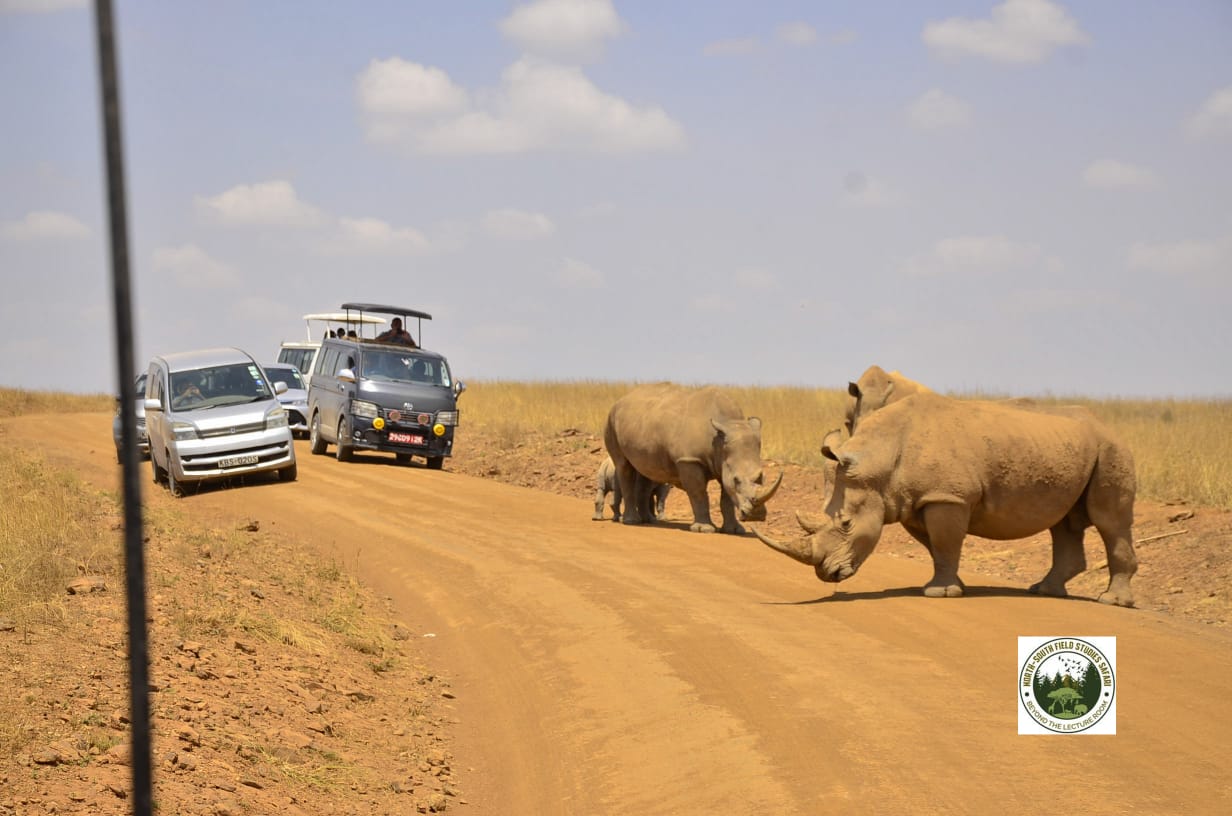
With your expert academic knowledge from class, these field studies will be the icing on the cake. As a result, the experience will enable you to devise never-seen-before blueprints for adaptation and ecosystem coexistence.
c) Study Innovative Agricultural and Water Management Systems: Known for tea, coffee and fresh produce exports, Kenya showcases various farming schemes to visit during the academic safari. And these projects will open your eyes to innovative and environmental-friendly agricultural practices.
Why Are These Lessons Important?
The academic safari will traverse the highlands plantations and the western Kenya food basket areas. In addition, you’ll explore the Rift Valley pastoralist schemes, fishing villages and small-scale urban farming designs. We’ll also show you small and large-scale projects, resilient water management solutions or lack thereof, and what local communities are doing to mitigate challenges. What’s more, you’ll explore government interventions to see what works, what’s missing, and what help is required.
With such a wealth of first-hand knowledge, we’ll put you well on your way to understanding the intricacies of adaptation in resource-constrained environments. Eventually, this mastery will make you a subject matter expert and global problem solver.
3. Learn From Mistakes
A mistake is only one when repeated. And what better way to avoid such an occurrence than by learning from a real-life experience? You’ll explore actual country and policymaker missteps through the NSFSS field studies in Kenya in an open and transparent fashion. This information will help you blend what you’ve learned in class with practical issues. Ultimately, you can enact proactive solutions in the face of climate change.
4. Local Context, Global Impact
While learning through our programme, lessons and local examples come alive and bind together the components of an educational compact. The world is marred with interconnected global challenges. For example, the Australian bushfires caused drought and famine in Africa, floods in Pakistan, and the emergence of La Niña thanks to cooling in the Pacific. Such scenarios are enough proof that you need to get out of the classroom and cross borders to see these challenges. In short, think local, act global.
An academic safari in Kenya is a perfect solution for understanding such complexities. We’ll take you to places and projects that showcase universal plights, including the following:
-
- Visit mega-developments
- Witness rapid industrialisation and urbanisation
- Explore biodiversity loss in its natural habitat
- Study climate change impacts
- Witness economic and human activities Vs. water tower depletion and interference with environmental flows.
- Study agricultural issues and innovations amidst climate change.
The adventure will showcase various grassroots issues and solutions, helping you understand the global impacts of local and small-scale initiatives. Only then can you strive to make the planet a better place. Additionally, you’ll share your experiences during the study abroad adventure for collaborative solutions toward a mutual goal. In the end, you’ll adopt a critical thinking approach that evaluates your role in creating positive change.
5. Be Part of the Global Sustainability BattleFront
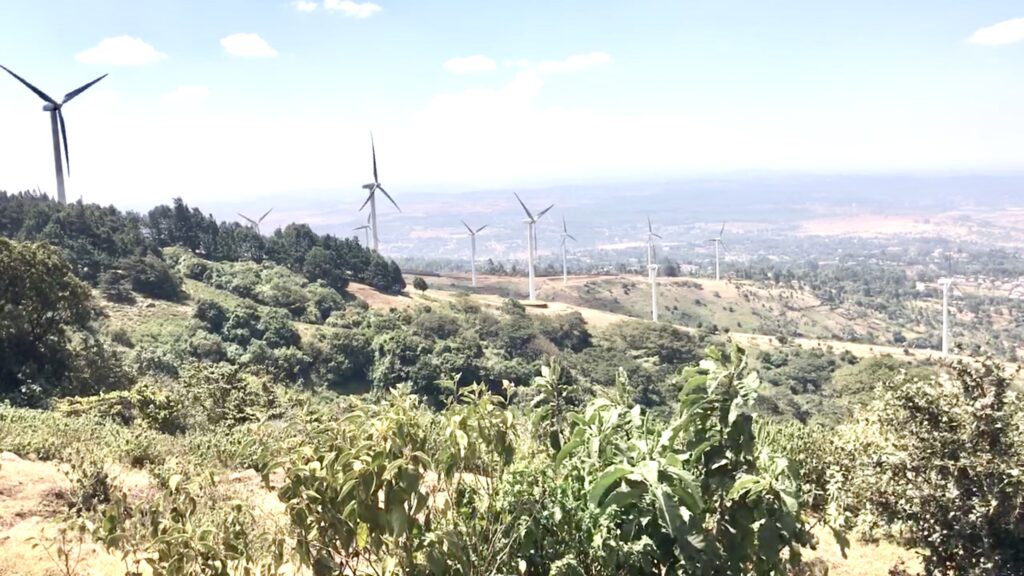
No field trip beats one undertaken in a region that’s at the forefront of leading climate change mitigation. Besides implementing innovative solutions, Kenya hosts global symposiums and strategic offices. Thus, we couldn’t choose a better place to serve this academic adventure. Here are reasons why taking our field study trip to Kenya is the best decision for your education, professional development and attaining sustainability:
- Kenya hosts the UNEP headquarters:
Therefore, you’re guaranteed first-hand discussions with world-renowned experts for global solutions, a once-in-a-lifetime opportunity you would miss in class or local field studies.
- The 2023 Africa Climate Week took place in Kenya:
This stance shows that the country is recognised as a hub for international sustainability discussions and innovations. So, through our field studies, we’ll connect you to more similar events. Furthermore, you’ll interact with outstanding policymakers, like-minded experts, students, researchers, and partnerships. This opportunity beats lecture hall group discussions and desktop research, enabling you to explore and enact diverse perspectives on climate solutions.
- Learn from deliberate government initiatives:
Kenya declared a national holiday in November 2023 dedicated to tree-planting to achieve its 30% tree cover and 15 billion trees targets by 2032. Not to mention other organisational efforts like the Plant Your Age Initiative. Interacting with such strategies, will provide insights into large and small-scale climate initiatives.
- Renewable Energy Innovations:
The region is perfect for sustainability lessons thanks to its efforts to adopt clean energy and the resulting investor interests. You’ll study renewable energy solutions by witnessing off-grid sustainability initiatives, among others. Consequently, the field studies will help you understand potential innovations and their impacts on livelihoods, climate mitigation and economic development.
Conclusion
Take a break from the classroom and open yourself to opportunities and impactful insights with our field studies programme. Our adventurous outdoor classroom covers everything from sandy beaches to world-renowned parks and local initiatives for adaptation. And you stand to gain lessons ranging from understanding marine and terrestrial ecosystems to habitat losses and the mitigations in place. To boot, you’ll explore changing land cover complexities, food and water systems and human health. Eventually, you’ll grasp lessons and concepts that will enable you to employ a multidisciplinary approach to formulate life-changing global environmental change initiatives. Grab your chance to contribute to a sustainable future by contacting us today to get you started on your best educational investment: A unique academic safari.
References
Geange, Sonya R et al. “Next-gen field studies: The Integration of Open Science and web-based learning.” Ecology and evolution vol. 11,8 3577-3587. 20 Nov. 2020, doi:10.1002/ece3.7009
N/B: This article is written by human writers and not automated AI systems
