
COP28 and the Alignment of the NSFSS Study Abroad Program for a Common Goal
The recent COP28 UN Climate Change Summit held in late 2023 in Dubai was particularly noteworthy. Eighty-five thousand participants, including over 150 heads of state and representatives of civil societies, philanthropic organisations, businesses, youth, indigenous people, and international organisations, attended the conference. This collaboration elicits an unquestionable need to incorporate the meeting’s outcomes into study abroad programs.
The summit marked the conclusion of the first global stocktake of the measures taken to address climate change under the Paris Accord. There has been slow progress in all areas of climate action, including strengthening resilience to climate change, providing technical and financial support to vulnerable nations, and reducing global warming. Consequently, this summit breathed new life into improving the global climate by 2030.
That said, North South Field Studies Safari (NSFSS) is also at the forefront of climate action. Our study abroad beach-to-bush program administers lessons on climate change, its effects, environmental sustainability, and sustainable urbanisation. All these modules are geared towards helping realise the common dream–stopping the climate crisis. Read on to discover how the NSFSS study abroad program aligns with COP 28 summit resolutions.
Unpacking How NSFSS Study Abroad Program Plugs Into the Resolutions of the COP28 Conference
The 2023 UN summit on climate change marked a significant step forward in the global effort toward addressing the climate emergency. The key highlights from the conference include:
1. Transition Away from Fossil Fuels
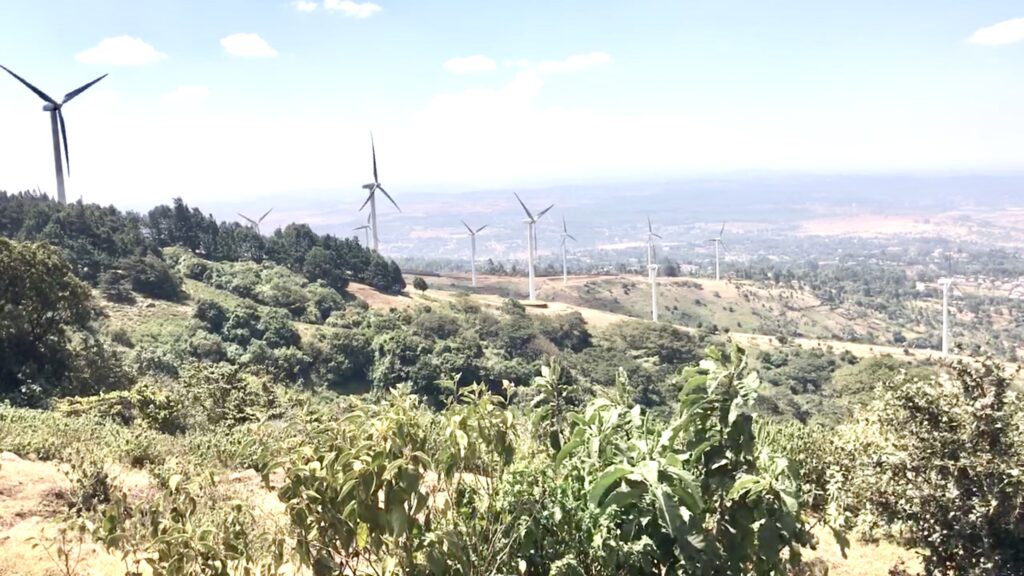
COP 28 laid the ground for a quick, equitable, and just transition from fossil fuels. It called for nations to transition to greener energy sources to ratchet up the climate action by 2030. Additionally, the summit urged all parties to implement measures to triple renewable energy capacity and double energy efficiency before the end of the decade. The overarching goal is to make the global temperature of 1.5 degrees Celsius attainable by reducing greenhouse emissions by 43%.
At NSFSS, we champion the transition from fossil fuel. We offer modules and field studies that comprehensively cover renewable energy. First, you’ll study the use of clean energy. Additionally, you’ll reflect on the intersection between local policies, the international agenda, and the uptake of clean energy technology. These lessons will evoke insights to help you achieve a deeper understanding of sustainable development and environmental stewardship.
2. COP28 Resolution: Enhancing Global Efforts to Strengthen Resilience
The summit participants agreed on targets for the Global Goal on Adaptation (GGA). The primary goal was to identify the necessary measures to ensure resilience to climate change impacts.
The GGA reflects a global agreement and covers the following themes:
1. Food,
2. Water,
3. Health,
4. Infrastructure,
5. Poverty eradication,
6. Ecosystems, and
7. Cultural heritage.
Eventually, it strives to guide adaptation planning and strategies at different levels and build capacity to strengthen climatic resilience. A significant boost towards achieving this feat came from new countries pledging funding. As of the date of the meeting, the Climate Change Fund was standing at a record USD 12.8 billion.
NSFSS study abroad academic and experiential learning courses provide students with information on strengthening global resilience. For instance, during your study period, you’ll learn how to tackle GEC issues using both developed and developing countries’ worldviews. To boot, you’ll visit different places to understand how the settings work so you can help implement sustainable urban growth. Additionally, you will study food and water systems for more mindful use and implementations guided by sustainability principles.
3. Linking Climate Action with Nature Conservation
The COP 28 conference highlighted the need to link the efforts to address the climate and biodiversity crises. The message urged nations to consider biodiversity, carbon stores, and ecosystems when creating national climate action plans. As a result, the participants encouraged the implementation of measures like halting and reversing deforestation. Further, they insisted on protecting terrestrial and marine ecosystems as these areas serve as sinks and reservoirs for greenhouse gases. This decision reiterates the importance of protecting, restoring, and conserving nature and ecosystems to achieve the Paris Accord temperature goal.
Our Study Abroad program encourages climate action and nature conservation. When you enrol in our beach-to-bush adventure program, you’ll study land-ocean interactions to understand the interactions between marine and terrestrial ecosystems. Our program will also help you understand the concept of ecosystem capital and natural services for sustainability.
4. Ramping Up Climate Solutions

The summit provided governments and other stakeholders a platform to collaborate and showcase effective climate solutions. In the end, several countries vowed to reduce emissions and improve resilience in various sectors. For instance, 125 countries signed the UAE Climate and Health Declaration. This proclamation requires nations to protect communities and prepare health systems for climate impacts like the spread of infectious diseases and increased heat waves.
NSFSS’s courses are also geared toward helping students develop solutions for climate change. During your study, you will learn about environmental impact assessment. Eventually, you’ll explore local climate change adaptation initiatives and transformative pathways by understanding global mitigation measures at local places.
Join NSFSS to Contribute Towards Realising an Environmentally Sustainable World
The measures for ensuring a healthy world should not be left solely in the hands of heads of state and organisations. You also play a vital part in ensuring that future generations get a habitable place to call home. One way you can do that is by enrolling in an institution that offers experiential education on issues of climate action, climate change, and sustainable urbanisation. And that’s where NSFSS comes in. Please reserve a discovery chat with us to learn about a unique study abroad program. Our experienced industry-leading professors will empower you to develop practical climate action solutions locally and globally.
N/B: This article is written by human writers and not automated AI system
