
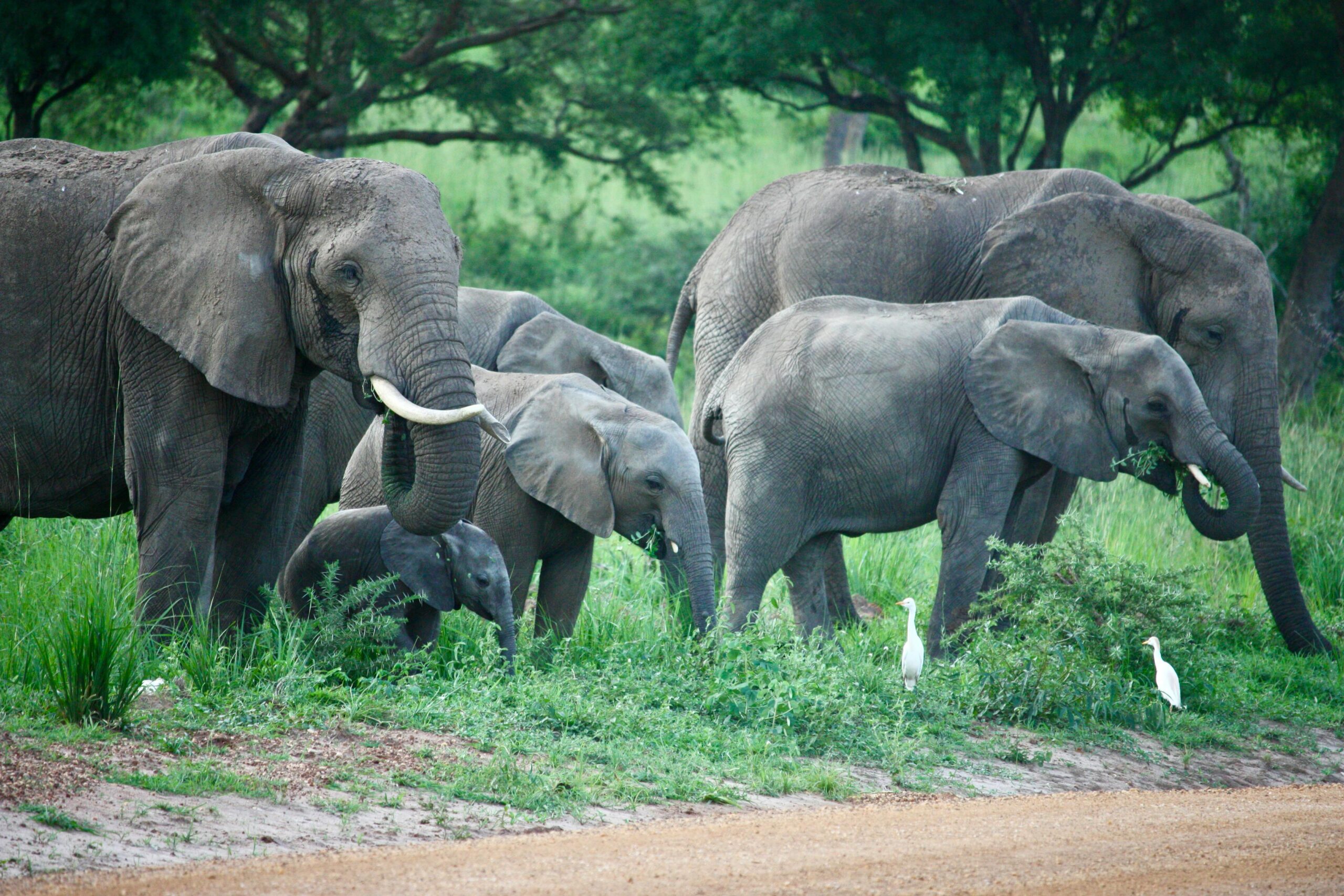
The African elephant is the largest animal walking the earth. Known for their gentle demeanour, these African giants have long captivated human fascination with their sheer size. Even so, these magnificent creatures possess other unique attributes beyond their physical prowess. For one, the African elephants possess a high level of intelligence that continues to astound researchers and scientists. They also have a strong sense of family and share a deep sense of feeling the death of a loved one, like humans.
Sadly, the population of these creatures has declined drastically over the years due to ivory poaching and loss of habitat. When you enrol in our Study Abroad field study program, you’ll get the unique opportunity to see this magnificent wildlife in its natural habitat in person in various Kenyan national parks and witness the complexities underpinning their existence and imminent extinction. Our experts will indulge you in studies to help you understand this phenomenon and formulate measures to protect and sustain this special species.
In this post, we’ll explore the remarkable world of the African elephant, including their conservation status and why protecting them is essential. Let’s start.
Background About the African Elephant
African elephants are the largest land animals worldwide, and their physical attributes attest to this. These gentle giants can weigh up to 12,000 pounds and attain a shoulder height of up to 13 feet. Their most notable attribute is undoubtedly their curved, strong tusks, which can reach heights of up to 10 feet long–the tusks have strong incisors, which they use for protection against predators, digging for water, and strip bark from trees, among other uses. To boot, The African elephant’s large ears, which are shaped like the African continent, are another striking feature. They use the ears to dissipate heat and regulate body temperature.
Types of African Elephants
There are three types of African Elephants, namely:
1. African Savanna,
2. African Forest, and
3. Asian elephants.
These elephants are spread across 37 sub-Saharan African countries, with countries like Botswana, Kenya, Tanzania, and Zimbabwe boasting the largest populations of these giants. According to a recent study, there are currently approximately 415,000 African elephants globally–a serious fall from 10 million in the 1930s, calling for drastic protection measures.
African elephants live in various habitats, including grasslands, woodlands, and savannas, where plenty of food and water is readily available. They fed on fruit, grass, roots, bark, and leaves, and an adult elephant can consume up to 3000 pounds of food daily.
The Behaviour of the African Elephant
The African elephants possess unique abilities that are nothing short of extraordinary. Moreover, these majestic giants have large brains (averaging 4783g), giving them advanced capabilities like:
1. Cognitive Abilities:
- Sophisticated memory retention capabilities
- Impressive problem-solving capabilities
- A high learning capacity.
- Creativity: One way African elephants make the most of their cognitive abilities is by using sticks as tools to reach distant food sources.
2. Emotional Intelligence and Social Dynamics: First, these animals are highly sociable, demonstrated by their tightly-knit family units. Also, their social structures are governed by a matriarchal system, where female adults lead the group. African elephants exhibit emotional intelligence in various ways, including displaying compassion, empathy, and grief–they never forget where a loved one died and usually return to the spot to mourn. Equally important, they also display deep emotional capacity.
3. Communication and Language-Like Abilities: African elephants are highly sociable animals. Their ability to communicate is key to their social structures working. They usually communicate through infrasonic vocalizations, body postures, and gestures. These forms of communication enable them to relay information regarding mating availability, potential threats, and resource location, among other things.
Conservation Efforts and Threats to the African Elephant
African elephants’ immense size and strength might make you think they’re immune to threats. But that’s not the case. These gentle giants face numerous dangers. Let’s explore some of them:
-
- Poaching
One of the most significant perils elephants face is poaching, fuelled by the high demand for ivory. The practice has resulted in a substantial decline in the number of African elephants. The Eastern Africa region is the most affected, experiencing approximately a 50% decline in elephant population recently. We’ll take you on breathtaking safaris to see these beautiful giants in person and interact with communities and individuals for multifaceted discussions and solutions formulation.
-
- Climate Change
Climate change is another threat that limits the ability of African elephants to thrive. This issue is because the climate crisis leads to food and water scarcity. It also increases the intensity and frequency of droughts and disrupts animal migration patterns.
-
- Fragmentation
African elephants are also susceptible to fragmentation and habitat loss. As human populations encroach into the wildlife’s habitat, forcing the animals to recede into smaller areas, often resulting in confinement and human-wildlife conflicts. Our experiential learning trip to Amboseli will immerse you in the real world of human-wildlife conflict when you interact with the Maasai and hear their real-life stories and initiatives.
So, What Conservation Efforts Can Combat These Threats?
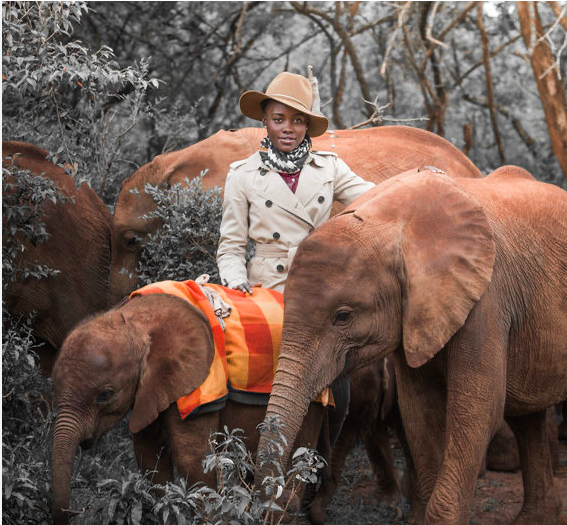
Governments, local communities, and nonprofit organizations are partnering to establish protected areas, strengthen anti-poaching policies, and promote sustainable land use. Protected land has been expanded for elephants to ensure they have sufficient habitat and to reduce human-elephant conflict.
Education and awareness programs geared towards protecting elephants have exist to help change attitudes towards elephants. These efforts enlighten local communities on the importance of elephant conservation.
Other elephant conservation measures in place include:
- Cracking down on poaching
- Reducing ivory trade
- Improving the livelihoods of communities that live near elephant habitats will help stop these communities from engaging in poaching.
Despite the efforts, much still remains to be done to achieve the stipulated standards of protecting elephants. And that’s where strategies like our Study Abroad program come in. We’ll introduce you to the world of elephants to help you understand their behavior and habitat. This way, you can develop effective climate action and individual and community-based initiatives to help preserve them and safeguard the ecosystem.
The Role of African Elephants to the Ecosystem and the Need to Protect Them
Elephants play a vital role in maintaining their ecosystem and ensuring environmental sustainability. Let’s look at some of their incredible contributions:
- Elephants Help Other Animals: For one, as these giants traverse through their habitat in search of food and water, they leave behind clearings and trails, which benefit other animal and plant species.
- Regeneration: Elephants disperse seeds through their dung, consequently helping regenerate forests.
- Ecosystem Engineering: African elephants also act as ecosystem engineers, given their ability to alter their environments. They pull down trees and strip barks, creating gaps in the forest. Sunlight penetrates the forest floor through these gaps, promoting the growth of new plants. Other herbivores find new vegetation to feed on, and in turn, predatory animals living in these habitats have prey to hunt. Also, elephants use their tusks to dig for water during dry seasons. Both the elephants and the animals that live in the same habitat use this water to survive during the dry season.
So Why Protect the Elephant?
As you can see, protecting elephants is not only vital to their survival but also for other species that depend on them.
Elephants are incredibly important animals that offer several benefits. For starters, they do a lot to help maintain a healthy ecosystem. Their seed dispersal role helps regenerate forests as well as sequester carbon. Also, the paths they create while sourcing food and water serve as migration routes for other animals.
This wildlife also offers economic benefits. They are tourism magnets, attracting tourists from all over the world. To boot, they attract funds that help conserve wilderness areas.
Conclusion
Needless to say, African elephants are worth studying and conserving. Besides these gentle giants being brainiacs, they play a crucial role in maintaining a healthy ecosystem.
At North South Field Studies Safari (NSFSS), we offer a beach-to-bush Study Abroad program that includes adventures to national parks and conservation areas where you’ll see and study African elephants. During the field study, you’ll gain lessons ranging from understanding the behavior of elephants and their ecosystems and the mitigations in place to protect them. We’ll also equip you with real-life knowledge and skills to position you as a thorough leader who can formulate effectual nature and ecosystem-based solutions. Talk to us today for info about our program to embark on your unique outdoor classroom. We have safaris, life-changing experiences and insights into the incredible world of elephants and wildlife in store.
N/B: This article is written by human writers and not automated AI system

One Response